
Following the River
In the best of company

I am back from one of the great adventures of my life. My body is humming, my heart is singing, my mind is calm. “I have had the Great Reset” I joke with my friends. But actually this is how it feels. My life energy and purpose renewed.
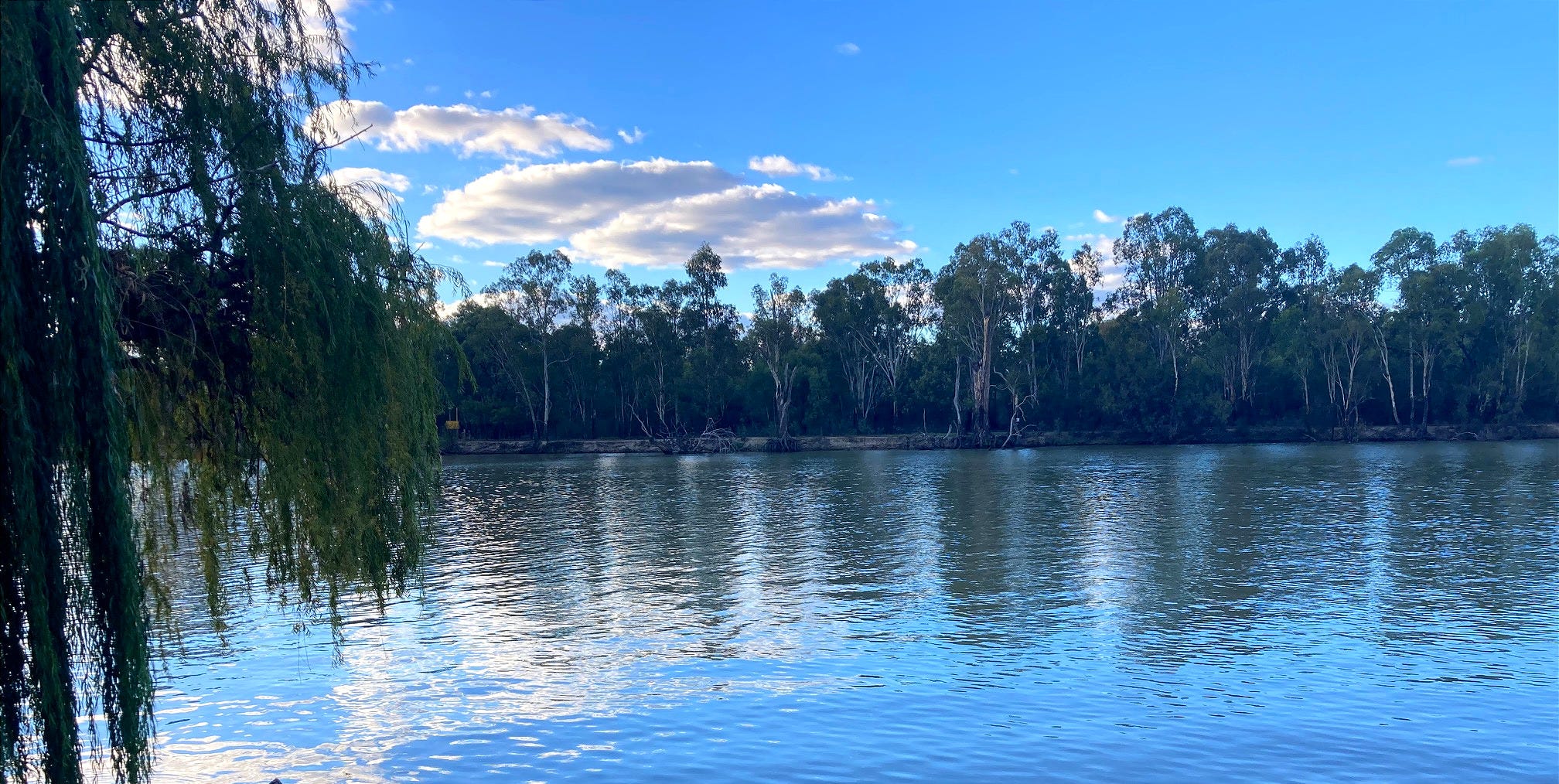
All this has flowed from my time on the Dhungala/Murray River in the best of company. Sixteen of us camped, swam, canoed, yarned, sang, and sat around the fire, sharing questions, projects and practices, opening ourselves to the complexities of human and more-than-human life. Our conversations were long and rich, yet so much of what we experienced went beyond words. Soaking up the beauty and woundedness of the river, the longest on this continent, greeting the birds that swirled, soared and strutted around us, meeting each dawn with movement practices, gasping at the splendour of the Milky Way late at night.
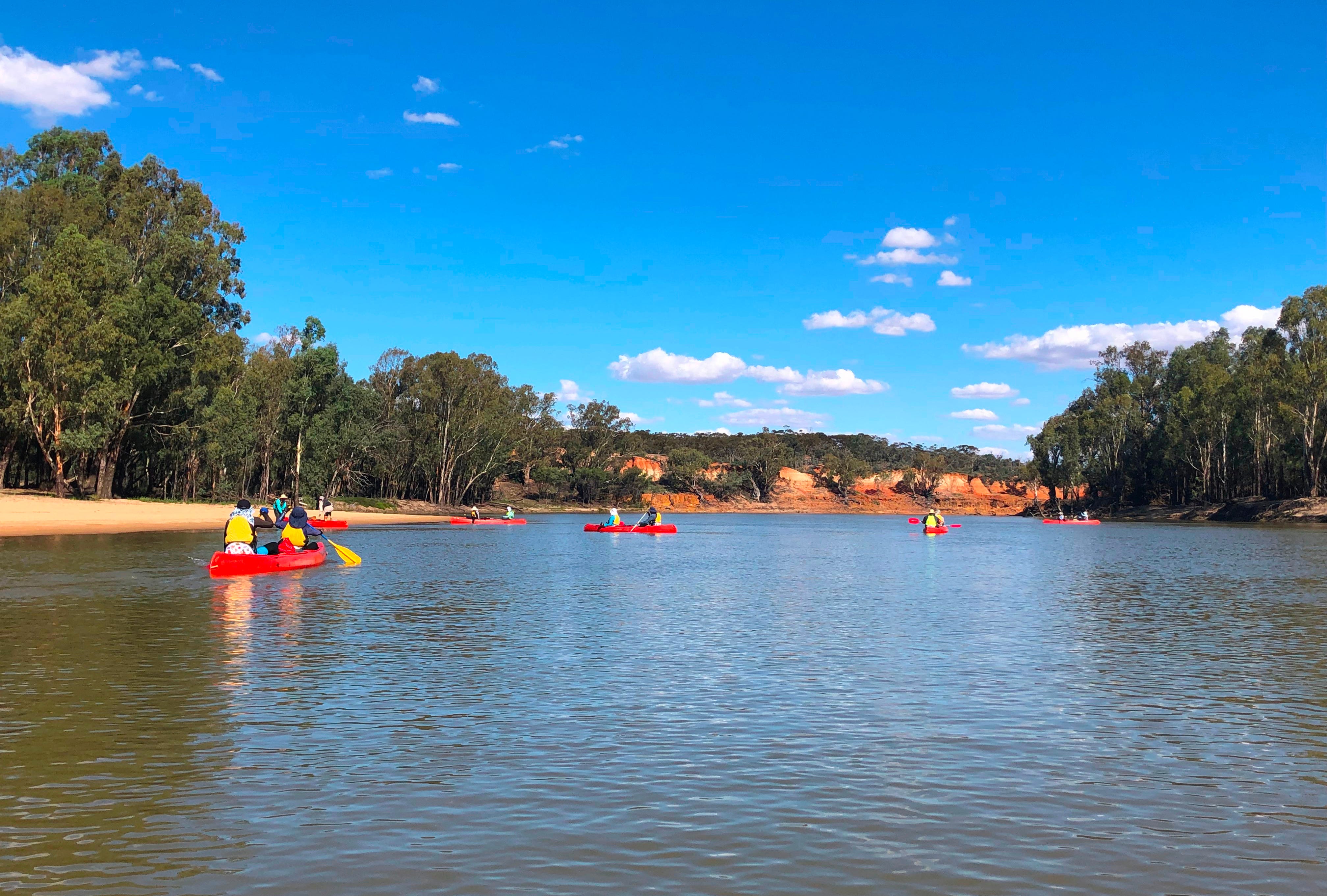
We come together in Confluence, a beautifully named venture organized by Anthony James (AJ) of the RegenNarration podcast and Katie Ross, an educator in regenerating living systems. Each participant carries a passion for playing a part in bringing healing to a continent whose ecosystems and traditional cultures have been so profoundly damaged within a few hundred years of colonization. And each of us arrives with questions, including:
How can we reconnect our (humanity’s) purpose to Nature’s purpose?
How can settlers and migrants to Australia feel deep-connection to Country?
How to shift myself and society from what can I gain to what can I give?
How do we sit together and hold/bear witness to a River that is so deeply changed?
Is water conscious?
How do we cultivate conditions for more of these conversations to happen?
Many more questions emerge as we canoe down the River, marvelling at her beauty while mourning the erosion of her banks and ecology, caused by damming and draining her waters, invasive species and pollutants, and overgrazing.
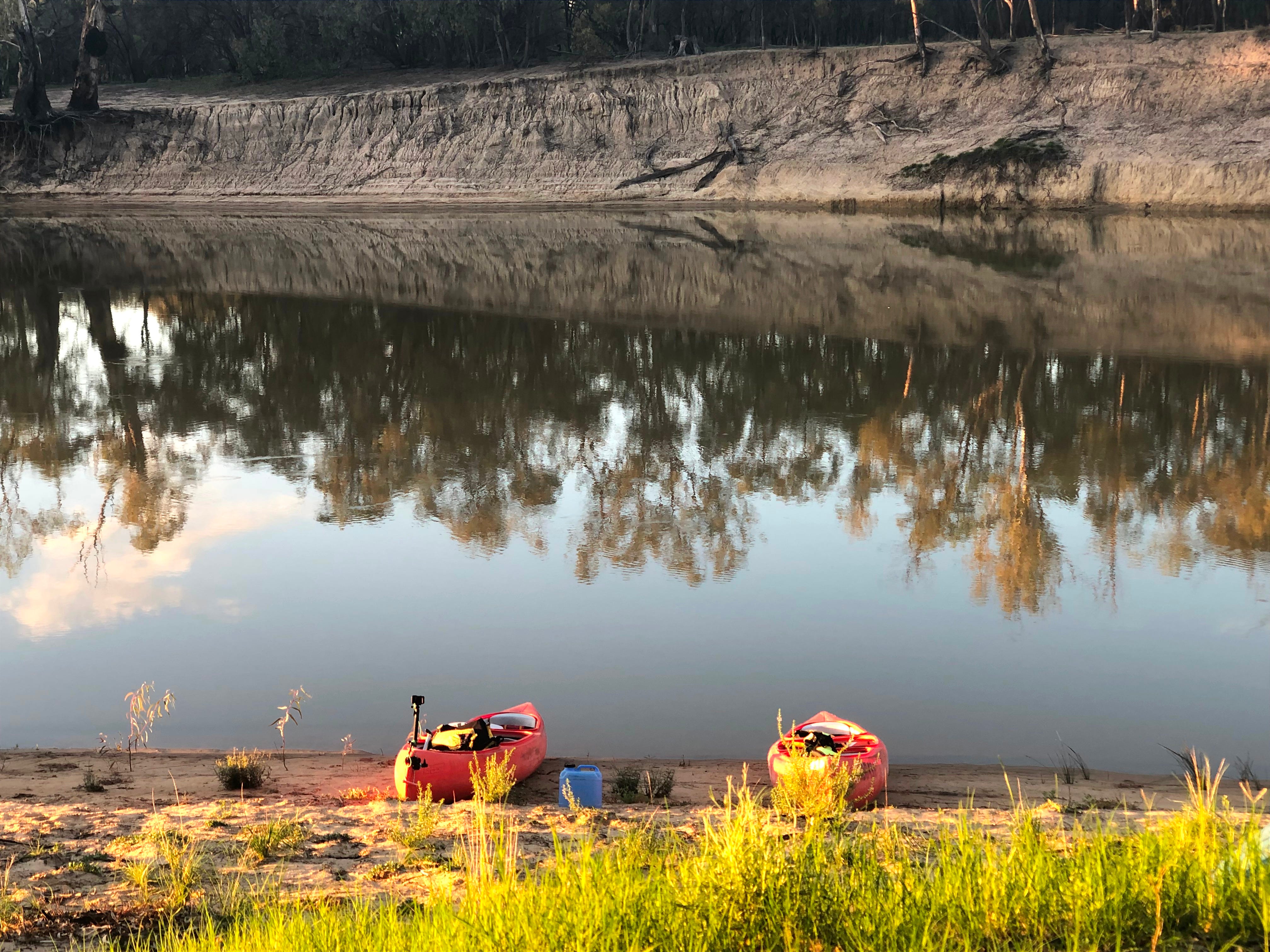
There is so much to learn: from the River directly, from those living on or near her, and from those wise in the ways of watercourses and cycles. We take in perspectives from human and other-than-human beings who sense/know that all wellbeing is dependent on the health of rivers, rains, forests, and soils. There is a big story here, resonant with many other river stories across the globe. Heartening stories like the recognition of personhood and legal rights of river, the removal of dams and the cleaning up of waterways, as well as heartbreaking stories of toxic, drying and dying rivers. We are here to be with just a short stretch of this massive river system, carrying the knowledge that much of its suffering is occurring within of a pattern of extraction and depletion occurring across the world’s rivers, creeks, lakes, artesian basins, forests and oceans.
Our Confluence flock bears a wealth of experience in caring for land, waterways and communities. Amongst us are regenerative farmers trained in holistic management practices, water experts, regenerative practitioners, designers, and facilitators, permaculturalists, and academics and writers focused on environmental and cultural repair work. Accompanying us are two fabulous young men, Tom Floyd our river guide and filmmaker Henry Smith. Our conversations never stop flowing.
Along with rich learnings from one and other, there is support, compassion and cross-fertilisation. Each night we take turns to share our stories, practices and questions around the fire, each day we work as a team, making and dismantling campsites, loading and unloading canoes. The strongest and most experienced help those more novice in camping experience and muscles. I, very much in the latter category, am never lacking in support and encouragement. As my muscles and stamina grow, so does my gratitude and faith in community life. I feel in my body how much can be unlocked, when diverse people work together with shared purpose and joy.
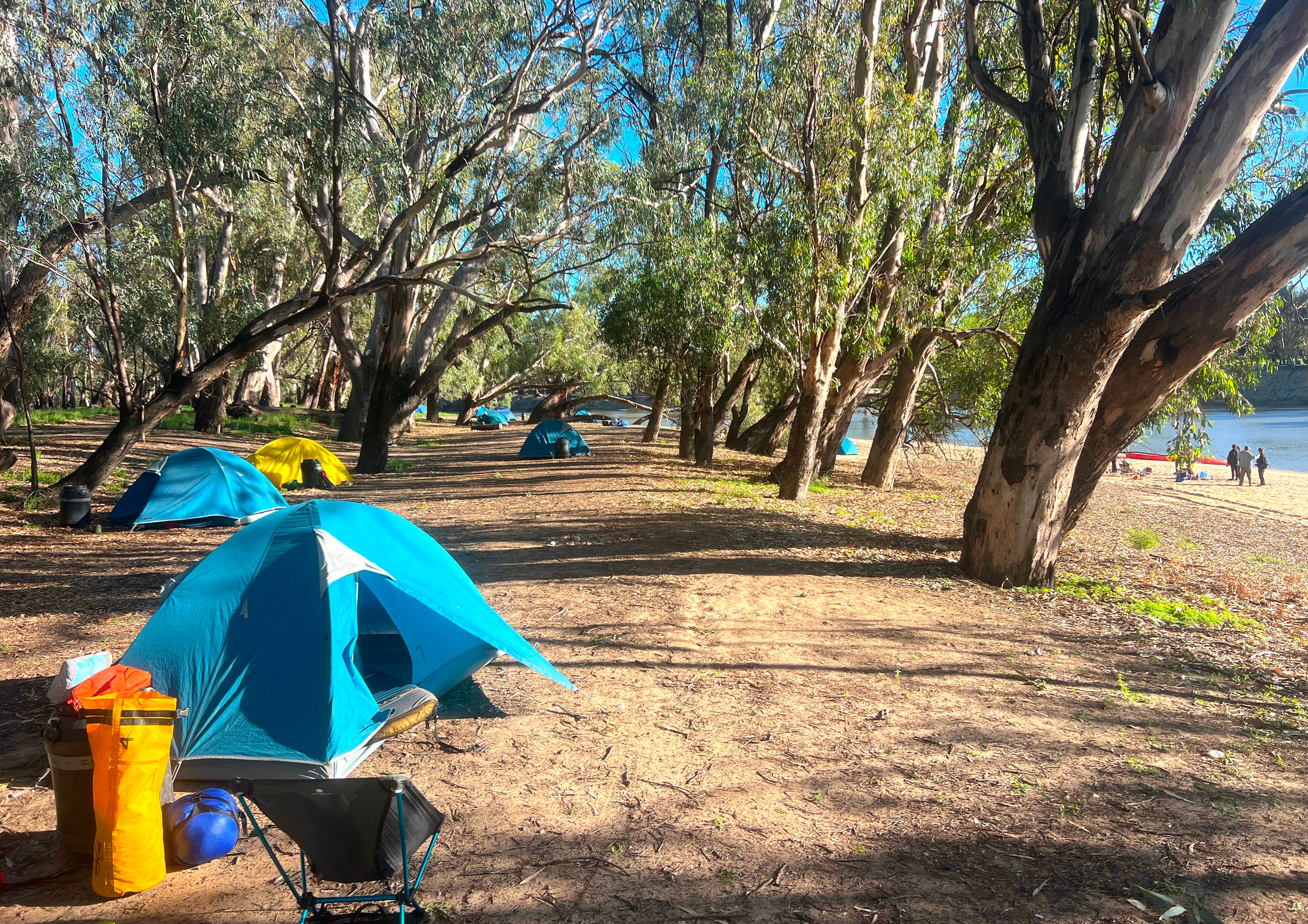
Of course there are challenges, plunging temperatures at night after burning hot days, sleeping on the ground, no showers or toilets, dehydrated dinners. A storm nearly capsizes one canoe, spinning and drenching us all. Waves of exhaustion wash through many of us, but a sense of humour goes a long way to soften the edges of discomforts. We now share many jokes about what challenged us at the time.
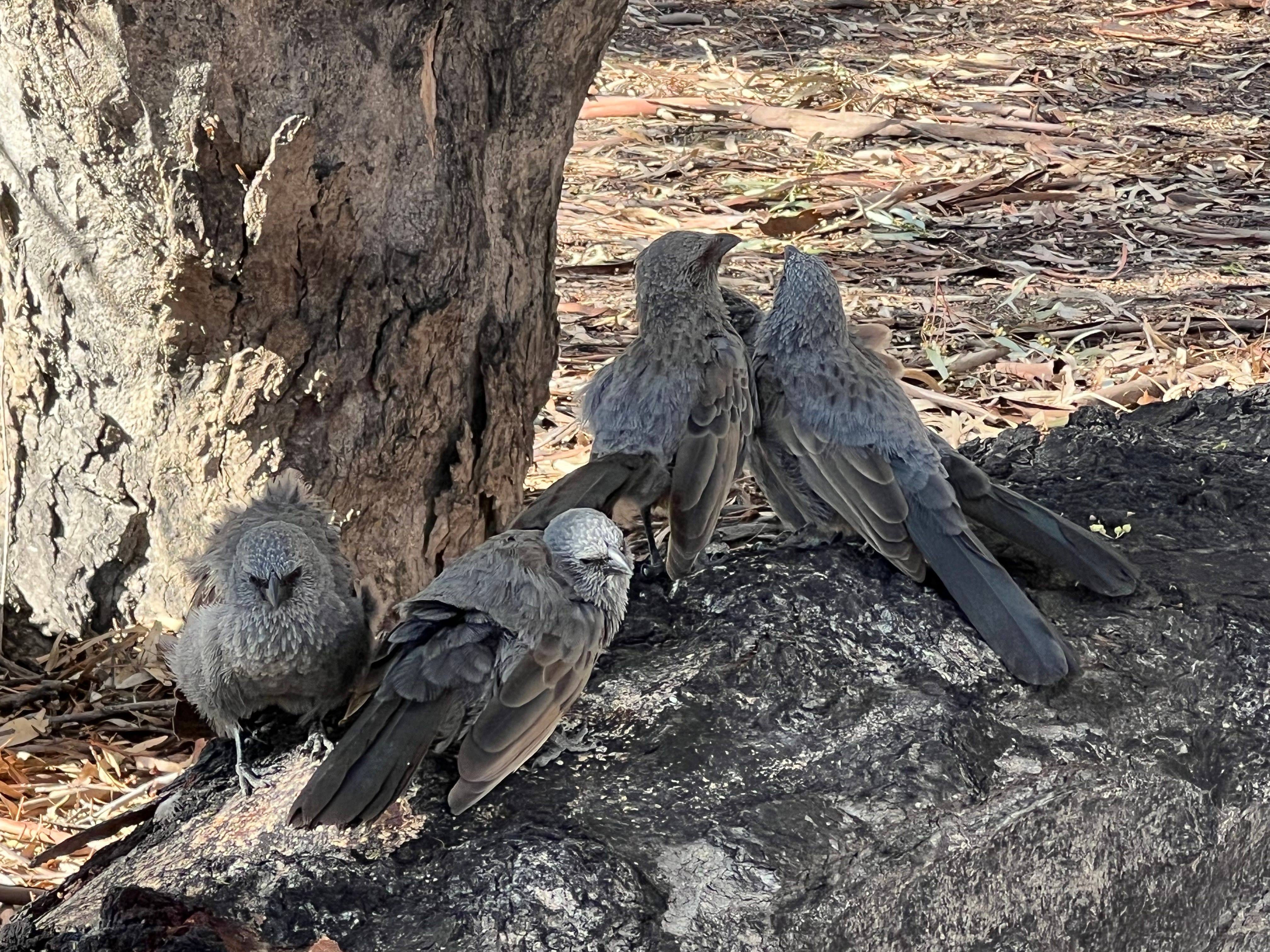
We also have stories of wonder. Many involve birds. When we are buffeted by the sudden late afternoon storm, we look for a place to pull in and camp. Out of nowhere, swirls a vast flock of corellas. These snowy angels circle over a forested sand bank not once but twice. We get the message and head in. From then on, flocks of corellas follow us, screeching into our campsites before settling on the red river gums around us. Paddling on the river, sea eagles and wedge-tailed eagles soar above, riding the airways as we follow River’s currents. Pelicans drop in, transforming from air to waterbirds. Owls hoot day and night. One late afternoon as I facilitate a dream sharing circle for our group, four apostle birds arrive, strutting around us, their appearance underlining emerging dream themes.
Along with the joys, come sorrows. Throughout our 88km paddle, we bear witness to the brutal erosion of River’s banks. Dead trees scatter the ground, vast complexes of exposed tree roots lace River’s edges. The water is silty, there is more carp than native fish in the river, but whatever swims here cannot be seen. Neither fish nor water are considered safe for consumption, though we swim each day without harm. There are complex reasons for all of this degradation, but at the core of it lies ignorance and lack of respect for River’s being and ways, and for the First Peoples whose Traditional Ecological Knowledge of this River Country has kept it loved, productive and healthy for many tens of thousands of years.
A central tenet of Confluence is that knowledge and cultural understandings from Indigenous people need to be listened to, learned from and heeded. Halfway through our trip, Tom, our river guide, arranges a meeting for us with three First Nations Park Rangers. We receive a warm greeting from Darren Brown, Damien Jackson and Jason Bowden when we pull up our canoes to join them for a yarn about their work. We anticipate hearing about the ways they care for the river and restore ecosystems. But we receive so much more than this when they tell us their story of how for many years, they have worked as a team to identify and rebury the bones of their ancestors which have surfaced in sand dunes as a consequence of erosion.
The rangers’ care and respect for the remains of their ancestors is resonant with a culture of continuity older than any other living human culture on Earth. We hear how carefully the rangers log the patterns of the traditional burials they restore, and then negotiate with local First Nations communities about the right way to rebury and protect the ancestors and regenerate the Country they are nested within. Not far from where we stand, lies the ancient landscape of Lake Mungo where the 40,000 plus year old remains of Mungo Man and Mungo Lady have been reburied in sacred ceremonies after decades of dedicated work to recover them from university collections. This reverence for the ancestors and commitment to returning them to Country reveals a culture in which all beings, human and more-than-human, belong forever. We, settlers and migrants, with our own histories of colonizing displacements, have much to learn and to heal.
Each day, we contemplate how today’s dominant worldviews have driven ecological destructions, species loss and mental health crises. Even while we enjoy a week away from digital devices and the news, we know that wars are raging across the globe, driven by the greed of extractivism, and the horrors of dwindling fresh water and fertile lands. Each night we hear from one another about how we can contribute to weaving and enacting healthy stories of reverence and respect for life on Earth rooted in connection and place. The stories my fellow paddlers share about what they have done and are doing in community revitalize me, after even the hardest day of paddling.
Stories that move and inspire us are humanity’s most powerful fuels, endlessly renewable and life-enhancing. It was AJ’s podcasts and stories about regenerative practices that led me to Confluence. And now I am energized and reset by the stories of those I met there. These are the stories I want to write about, so we can learn together about healthy water cycles, regenerative food production, cultivating community connections, and nurturing soils and souls. In my upcoming posts I will introduce you to those I followed the river with, and share something of their stories about the different and many ways we can heal and regenerate life in our places. Do join me and share your own stories of Earth care and repair in the best of company.
Such a beautiful and empathetic summary of our amazing week together - thanks so much co-pilot Sally!
Oh Sally this sounds absolutely wonderful. Thank you for sharing your account of it.